

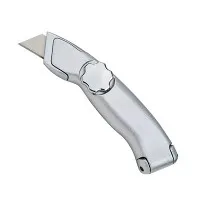

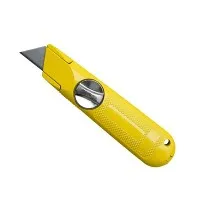

Handsaw
Your Professional Handsaw Supplier
Our goal is to become your reliable partner in the handsaw in China. Established in 1992, Wenzhou Xinrongxin Technology Co., Ltd. has specialized in the design and production of hand tools such as utility knives, scrapers, hand saws and other cutting tools for over 30 years. We are committed to applying advanced manufacturing technologies and strict quality control standards to every product. Our products are quality-assured, making us a dependable choice for long-term cooperation.

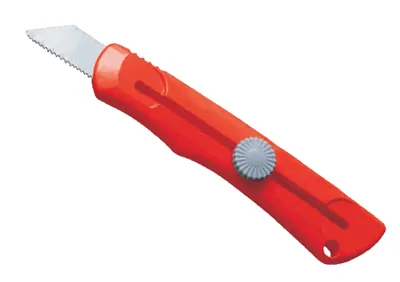
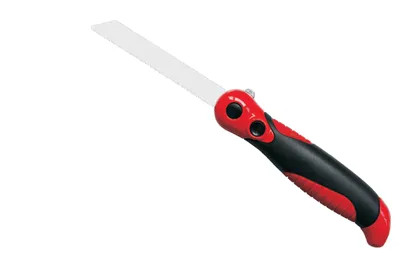
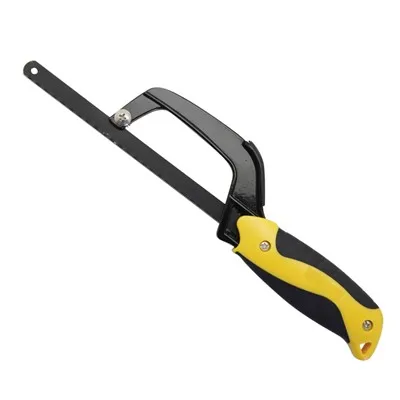
Production Equipment:
Our company possesses advanced production equipment, including over 300 sets of molds, cold chamber die-casting machines, hot chamber die-casting machines, injection molding machines, industrial robot arms, integrated metal polishing and dust removal systems, shot peening machines, tapping machines, pipe cutting machines, drying tunnel assembly lines, high-frequency plastic welding machines, single-phase resistance-start asynchronous motors, and automatic high-speed blister packaging sealing machines.
Our Certifications:
We have obtained authoritative certifications such as BSCI and ISO 9001.
Customized Solutions:
We emphasize technological innovation and product development, and can develop customized products according to customer needs. We can efficiently handle OEM and ODM customization requirements and adapt to different customer cooperation scenarios.
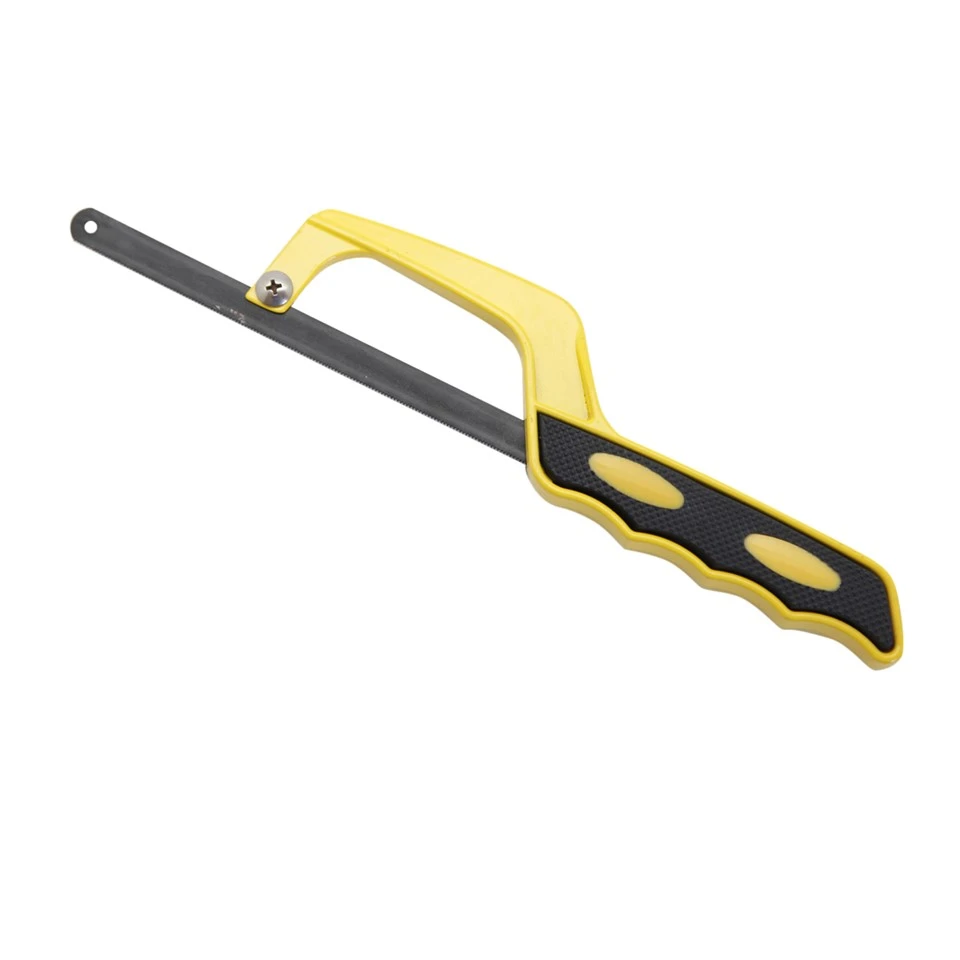
Easily transported: Tool kit most manual saws are considerably smaller and lighter than their powered counterparts and do not require an electricity cable to work. As a result, they can be easily moved from one place to another.
Convenient when there’s no power outlet nearby: No battery power, man sawing stone. Because manual saws are powered solely by human effort, they do not require a power cable or a rechargeable battery.
No trailing cables: No risk of trailing cables with a hand saw, trip hazard sign. A saw is a manual tool, so there is no risk of trips or falls as a result of trailing electricity cables.
Fast cutting power saw: Power saws can cut very quickly and forcefully, and it can be easy to lose control of one if you are not an experienced user. With a manual saw, your arm is the power source, so when you stop, so does the saw.
Less expensive: Manual saws are considerably less expensive compared to power saws.
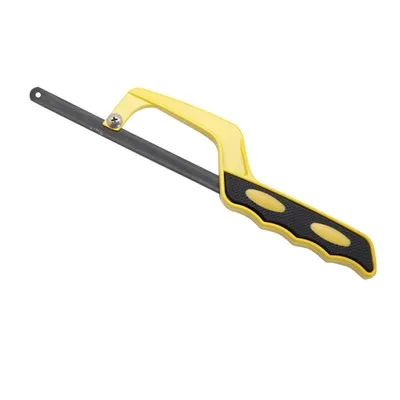
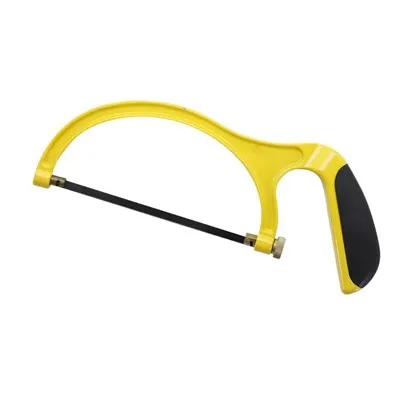
Specification of Handsaw
|
Product Material |
Aluminium Alloy, ABS, TPR |
|
Blade Material |
carbon steel |
|
Blade Size |
10 Inch |
|
Blade change |
release screw |
|
Sample service |
Available |
|
Customization |
OEM/ODM |
Features of Handsaw
Blade Material & Teeth (TPI): The blade is typically made of hardened steel. Its teeth are measured in Teeth Per Inch (TPI):Low TPI (4-6): Coarse teeth, ideal for fast, rough cutting of lumber.
Many modern handsaws feature induction-hardened, non-sharpenable teeth, which stay sharp for much longer, making them an economical option for occasional use. Ergonomic, comfortable handles (often made of plastic, wood, or rubber) offer better grip and force transmission.


Types of Handsaw
Crosscut hand saw: A crosscut saw is one of the most common types of hand saws. You use it to cut across the grain of wood.
Rip hand saw: The rip cut saw is another important type. You use a rip cut saw to cut along the grain. The teeth are larger and fewer than those on a crosscut saw. This makes the rip cut saw more efficient for ripping boards.
Backsaw and dovetail saw: The back saw and dovetail saw are types of handsaws for joinery. You use a dovetail saw for making precise, shallow cuts in end-grain.
Panel handsaw:
A panel saw is great for cutting large sheets of wood. It gives you straight, accurate cuts. The panel saw is also space-efficient and safer for big panels because the wood stays supported.
Coping saw:
You use a coping saw for curves and detailed shapes.
Keyhole saw:
A keyhole saw is a special type for small, tight spaces. You use it for sawing mortises in woodworking. This handsaw helps you make holes or cutouts inside wood panels.
Specialty hand saws:
Some types of hand saws have special uses. You use a bow saw or veneer saw for dovetailing, crosscutting, joinery, mortise-and-tenon work, cutting corner blocks, and cutting dowel rods.
Application of Handsaw
Crosscutting:
Cutting across the wood grain to size lumber or trim ends, using a high-tpi saw for smoother results.
01
Ripping:
Cutting along the wood grain to resize boards, typically using a rip saw with fewer teeth for faster, coarser cuts.
02
Joinery:
Using specialized, fine-toothed hand saws to make precise, accurate cuts for joints.
03
Rough construction:
Cutting plywood, pvc pipes, or drywall using specialized tools like hacksaws or keyhole saws.
04
Construction site adjustments:
Trimming doors, shaping ends, or fitting timber in situations where power tools are inconvenient.
05
Other Service of Handsaw
|
Package |
Box |
|
Shipping |
Sea/Express |
|
Payment |
We accept T/T and L/C. For samples or small trial orders |
FAQ