

Workers who kneel on hard surfaces for long periods of time face a common decision: What type of knee protection provides the best comfort, durability and value for money? The choice of foam and gel cushioning materials not only directly affects comfort, but also long-term joint health and overall performance. This comparison is for working knee pads designed with PU foam and gel, so it can help workers and safety managers make informed decisions.
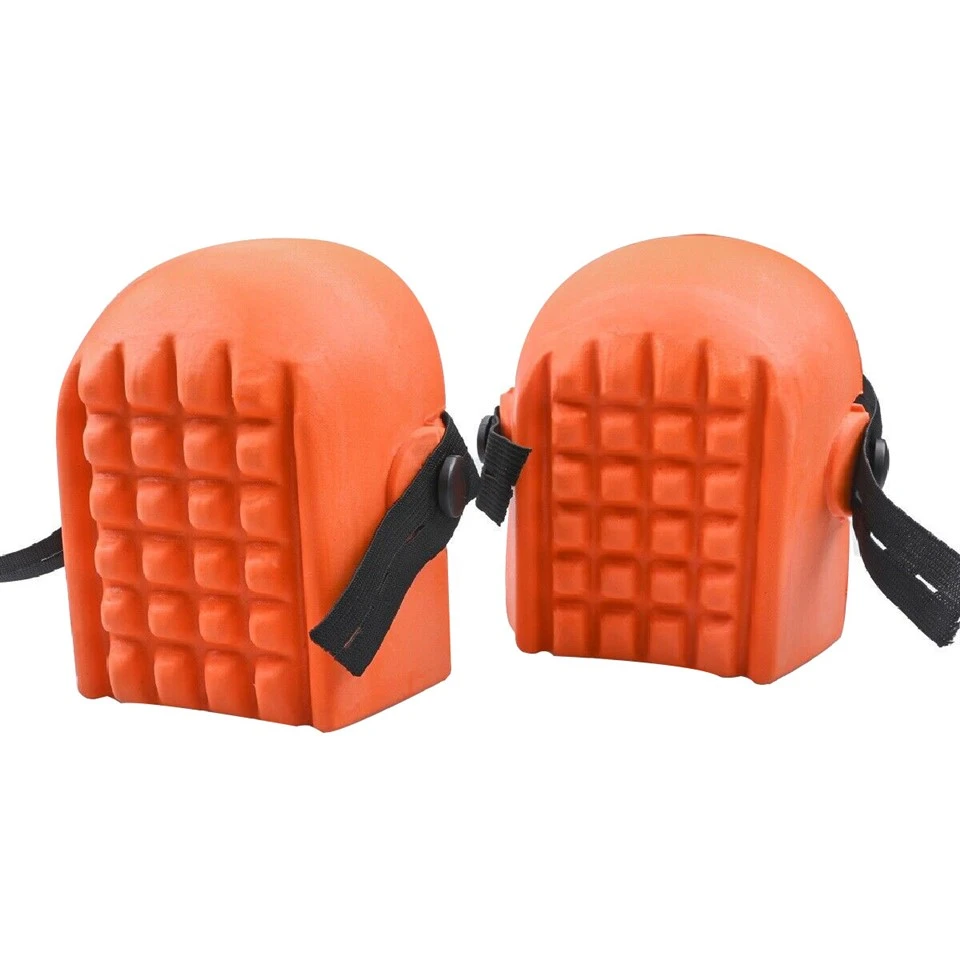
Knee pads
To understand how different buffers work, you need to understand their basic properties. Polyurethane foam and gels are two different ways of absorbing shock and dispersing pressure, each with its own advantages and limitations.
Polyurethane Foam Characteristics
Polyurethane foam has become a common buffer material used in many protective equipment. Research in materials science journals shows that the PU foam's cellular structure absorbs energy through progressive compression. When force is applied, the foam's cell walls are curved in an orderly fashion, so they absorb large areas of energy, which stops peak force from accumulating at one spot.
The performance of working knee pads polyurethane foam depends a lot on foam density. High-density foam lasts longer and holds more weight, but low-density foam feels softer at first. Good knee pads usually use medium to high density foam, so they balance comfort and long-term strength.
Foam materials also handle temperature changes well in workplace conditions. Some materials can become too hard or too soft in cold weather, but good PU foam keeps its properties fairly stable.
Gel Material Properties
Gel cushioning use thick or semi-solid materials that move under pressure, so they fit the shape of the body and spread weight over larger areas. The gel's fluid-like behavior allows it to fill in gaps and bumps, which can give the body a good touch.
However, the gel materials does have some problems with knee pads. Temperature changes have a great effect on the properties of gel. Cold weather thickens gel, reduces mobility and high temperatures make it too slippery. As a result, when workplace conditions change, buffers are uneven.
In addition, gel materials is often heavier than foam of the same size, which adds to the weight workers must carry on all shifts. Leaks can damage the product because of the need to seal the gel materials, which can also create a weak spot.
Comparative Performance Analysis
Pressure Distribution
The study of body-mat contact in the Journal of Ergonomics looked at how different support materials alter stress patterns. A Comparison studies of pressure distribution of different cushioning materials shows that foams and gels work well, but they work in different ways.
Working knee PU foam conveys pressure through compression. When foam compresses under pressure, it moves sideways inside the liner, spreading the force to larger contact areas. The results show that foam with the right density has a low peak pressure and provides uniform support throughout the contact surface. Gel spreads pressure through its fluid behavior, so it fits into the body's shape and fills in the gaps. This fitting ability can produce large contact surface, but its success depends on temperature and seal design.
Impact Absorption
The main difference between foam and gel cushioning is how they handle sudden impacts and steady pressure. Foam materials absorbs sudden shocks well because of the compression of its cells. The energy absorption curve of good polyurethane foam shows stable resistance, which reduces peak impact forces.
Gel holds up well to steady pressure, but may transmit more shock energy on sudden contact. Because gel is thick and liquid, it cannot be compressed like foam. Therefore, it must flow from the point of contact, which sends a higher immediate force to the body.
foam materials is generally better able to impact absorption when used in the workplace, when workers kneel or drop tools and materials.
Durability Considerations
Durability is a key factor affecting the cost of equipment in the workplace. Knee pads protection must be maintained through multiple uses, daily exposure to the physical requirements of job environment and workplace.
Working knee pads PU foam products usually last a long time through thousands of compression cycles. Good foam returns to its original thickness and shape after each compression, thus maintaining stable protection over a long life. The material's springiness allows foam knee pads to handle compression, bending and exposure during everyday tasks.
The long-term durability of the Gel materials is in question. Many compression cycles allow the gel to move around inside its sealed cavity, which may create less cushioning. Temperature changes accelerate this movement and may lead to lasting changes in the texture of the gel. Seal breakage is another way gel pads fail, which doesn't happen with foam products.
Workplace-Specific Considerations
Temperature Environments
The temperature of the workplace varies greatly from job to job. Indoor temperature control rooms, unheated warehouses, outdoor construction sites and cold storage rooms all pose different challenges to knee pad materials.
Foam materials works well in a wide temperature range and maintains a stable buffer without major changes to the gel. This temperature stability makes working knee pads PU foam good for many workplace conditions.
Gel knee pads work well in a temperature-controlled room, but they can vary greatly in very hot or very cold conditions. Cold thickens gel, so it doesn't suit the body either. Heat makes gel too thin, so when workers move, it may stay away from pressure points.
Humidity and Contamination
Humidity, dust, chemicals and so on are often present in the work environment. These environmental factors have an impact on cushioning materials and seal systems.
PU foam can handle moisture without losing much of its properties, and long-term soaking may eventually change foam properties. The foam does no lasting damage when it dries and returns to normal once it loses moisture.
Gel materials needs to be well sealed to prevent leaks, and dirt can weaken the seal. Chemical exposure may affect the seal materials and the gel itself, but this does not happen on foams.
Weight and mobility
Workers who often move between kneeling and standing need light knee protection, which doesn't slow them down. Weight differences between foam and gel knee pads can affect fatigue levels in workers who work long shifts.
Working knee pads made of PU foam are usually the same size as gel pads. This weight difference builds up over the course of a workday, so it can affect worker comfort and fatigue as the job requires a lot of positional changes.
Application-Specific Recommendations
Heavy construction and flooring
Construction and flooring workers, who spend most of their time kneeling on concrete and other hard surfaces, benefit the most from polyurethane foam working knee pads. The foam's stable impact absorption, temperature stability and durability match the rigors of these jobs.
Dense foam can support heavy work and stay comfortable during long shifts. The reliable properties of foams eliminate temperature variations that affect gel products.
Automotive Mechanical Engineering
Automotive and mechanical work involves kneeling on many surfaces, such as concrete, asphalt and uneven garage floors. Workers in these areas need knee protection to handle uneven ground and provide stable impact absorption.
Working knee pad PU foam is designed to handle these different situations well, with foam suitable for surface heterogeneity while spreading pressure appropriately. The durability of foam also meets the service life requirements of professional industry.
Light construction and maintenance
Depending on the situation, maintenance and light workers who switch between kneeling and standing may find foam or gel knee pads acceptable. Some lighter gel designs may appeal to frequent movers, but foam products offer more reliability.
Cases of Working Knee Pads PU Foam
Based on the analysis of key performance factors, polyurethane foam is a more reliable option for knee protection in most workplaces. foam materials have advantages such as stable performance at different temperatures, great durability for multiple uses, good resistance to workplace hazards, and lightweight construction that won't leave workers tired during shifts.
materials science research supports the effectiveness of protective cushioning uses of polyurethane foam. The structure of the cells, giving energy absorption and pressure distribution work well, with no temperature sensitivity or movement problems affecting gel.
For workers who need to protect their knees day and night in any work workplace condition, the WorkKnee PU Foam technology provides a proven solution backed by materials science research and numerous practical applications.
Make the right choice
Choosing a knee protection depends on your specific workplace conditions, personal preferences and job needs. Workers should consider the surfaces they usually kneel on, how long they kneel, temperature conditions in their work area, and how often they change positions during the workday.
For most professional purposes, working knee pad PU foam design provides the best combination of protection, durability and value. Buying good foam knee protection provides longer service life, stable comfort and reliable protection that employees can count on throughout their working lives.
Employers who care about worker safety and comfort should make sure they have good knee protection options, and workers should know how to choose equipment that works for their specific job. A good knee brace costs less than the likely cost of an workplace injuries injury or long-term joint injury.


